IMPACT LAB welcomes new members
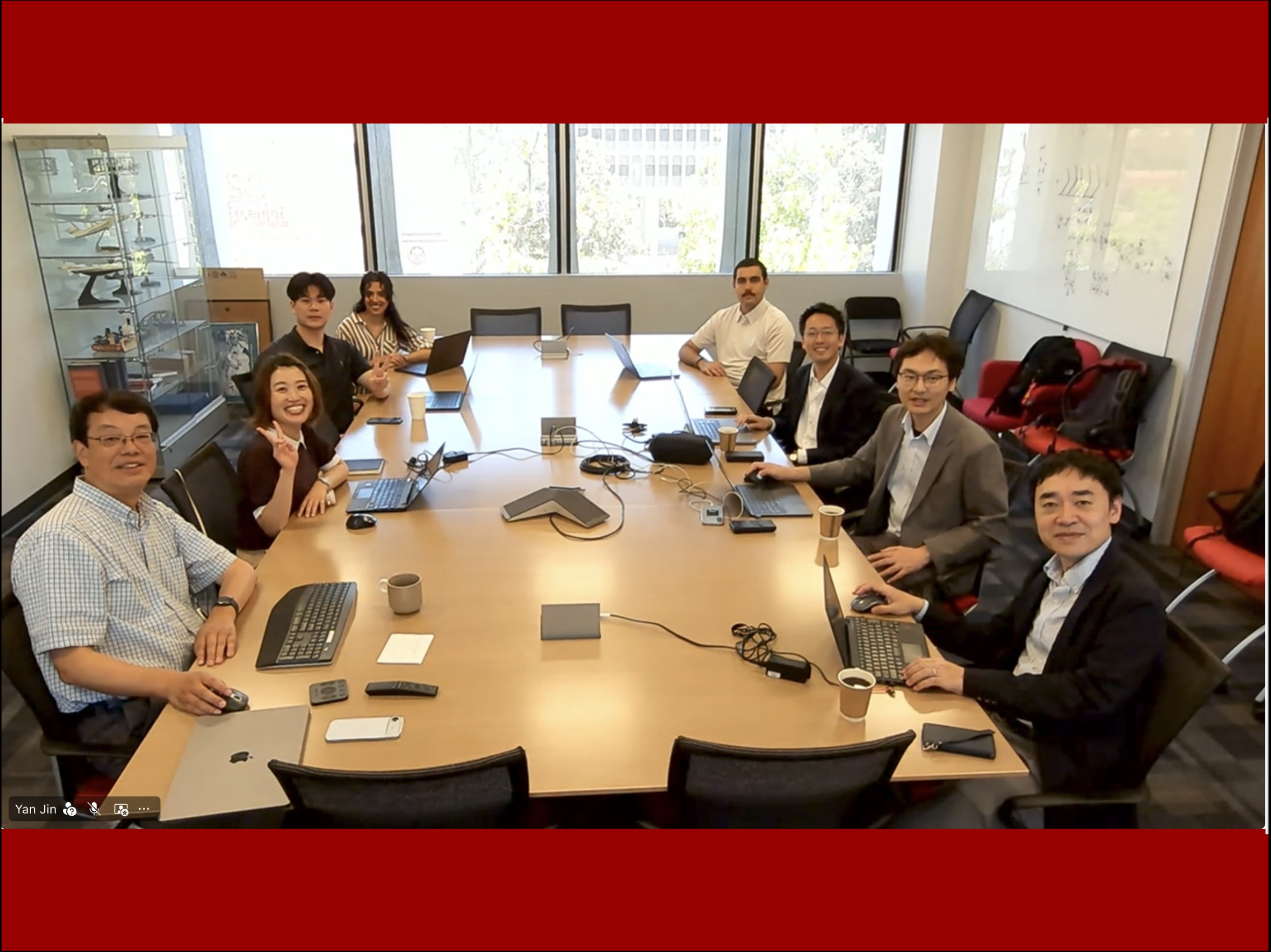
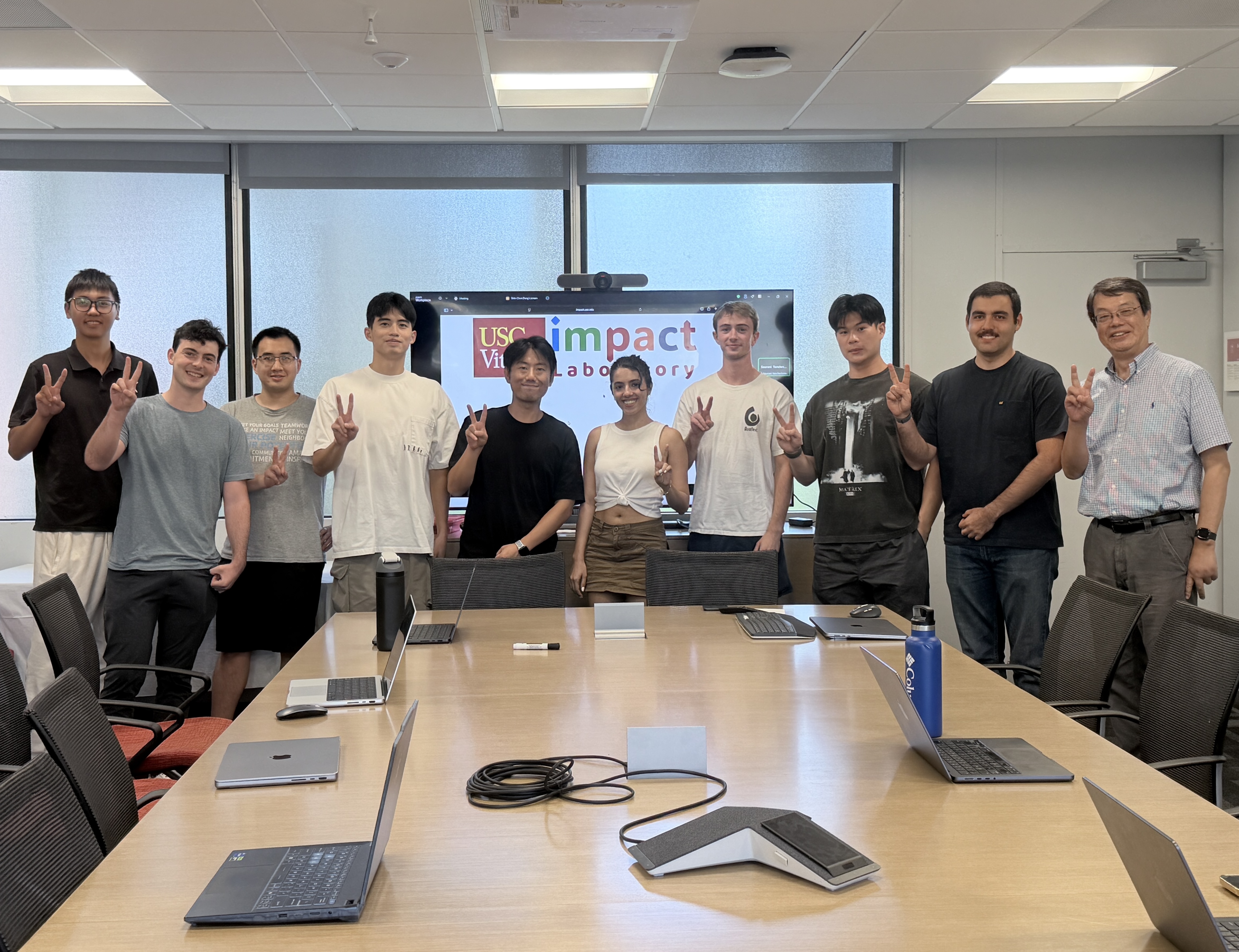
IMPACT LAB welcomes new master's students Soowhan (Steve) Yi, Yiyang (Justin) Wang, Li-Hsin (Chris) Den, and Aaron Benedek.
University of Southern California
We study and develop AI-based intelligent systems for engineering design, analysis, manufacturing, and self-organizing missions of the future.




About the lab
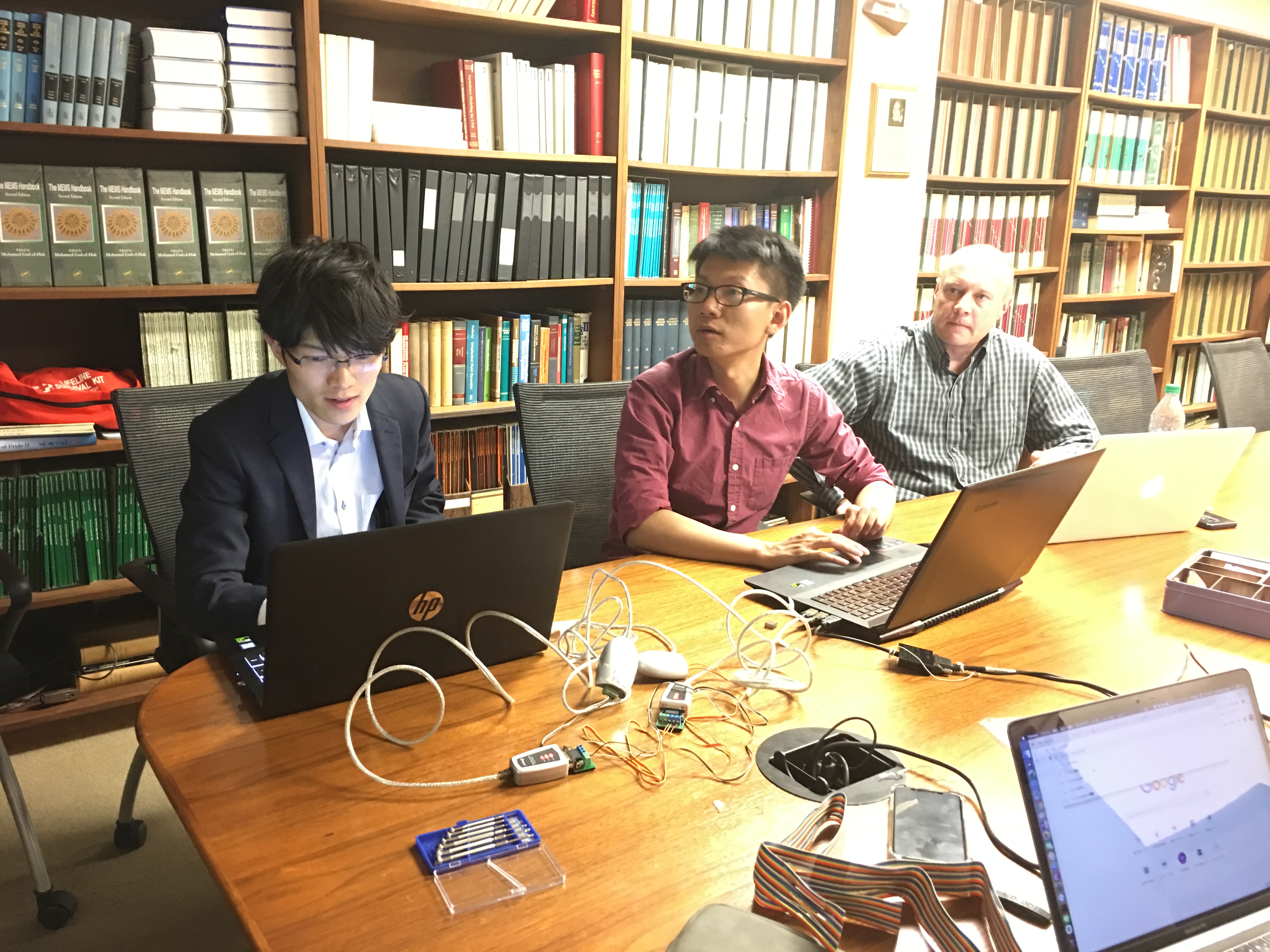
USC IMPACT LAB studies and builds data-driven intelligent systems for future engineering design, analysis, manufacturing, and autonomous operations. We develop and apply advanced AI methods, intelligent agents, and autonomous robots that can reason and act in complex engineering environments.
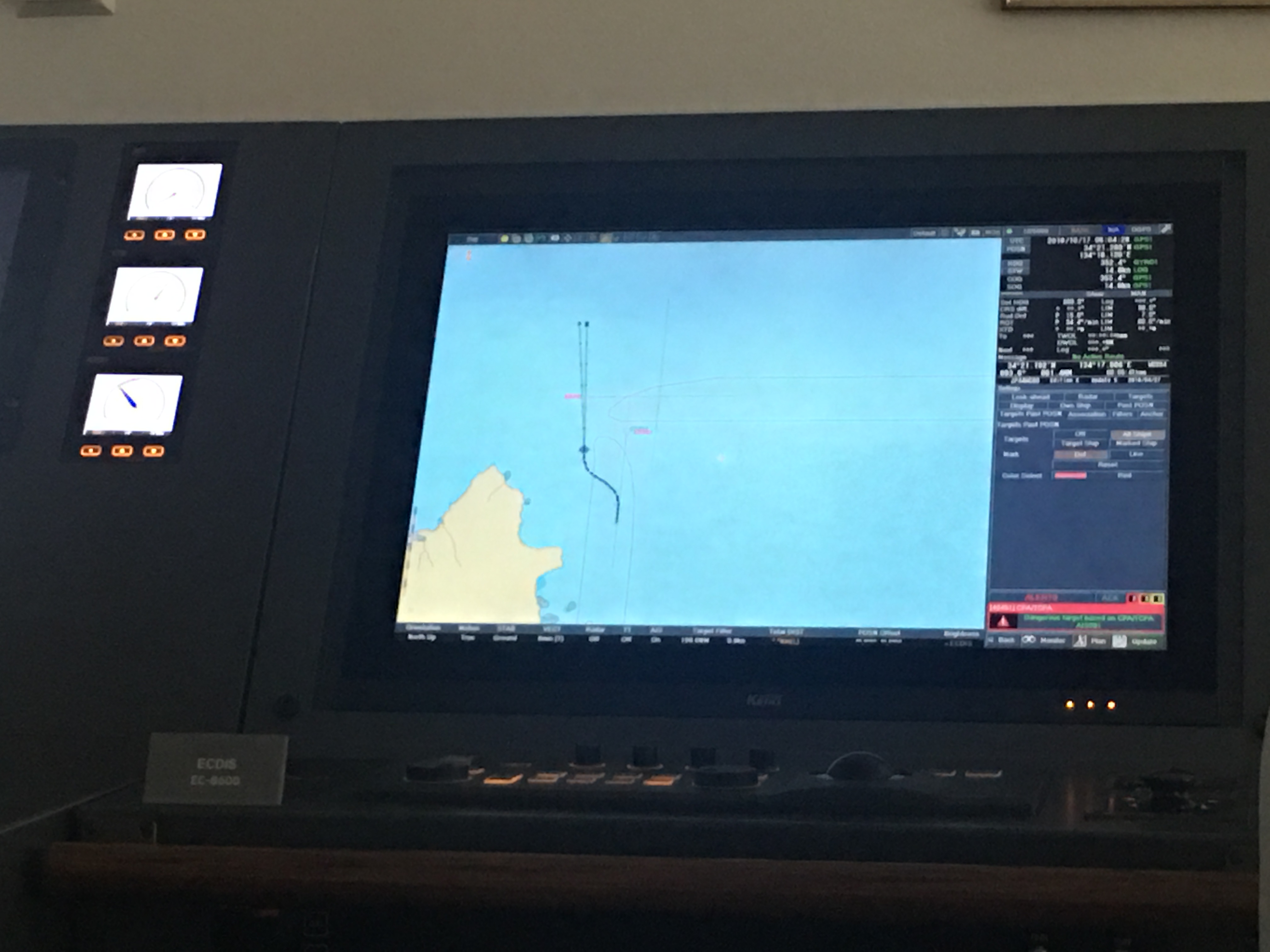
Our work supports intelligent engineering in domains such as automotive and ship design, electrical system design, engine-room anomaly monitoring, autonomous collision avoidance, robotic operation in jobshops, and multi-agent self-organizing systems for manufacturing in volatile markets. Our research aims to build intelligent machines that work with people and enable new ways of designing, operating, and forming engineered systems.
News
IMPACT LAB welcomes new master's students Soowhan (Steve) Yi, Yiyang (Justin) Wang, Li-Hsin (Chris) Den, and Aaron Benedek.
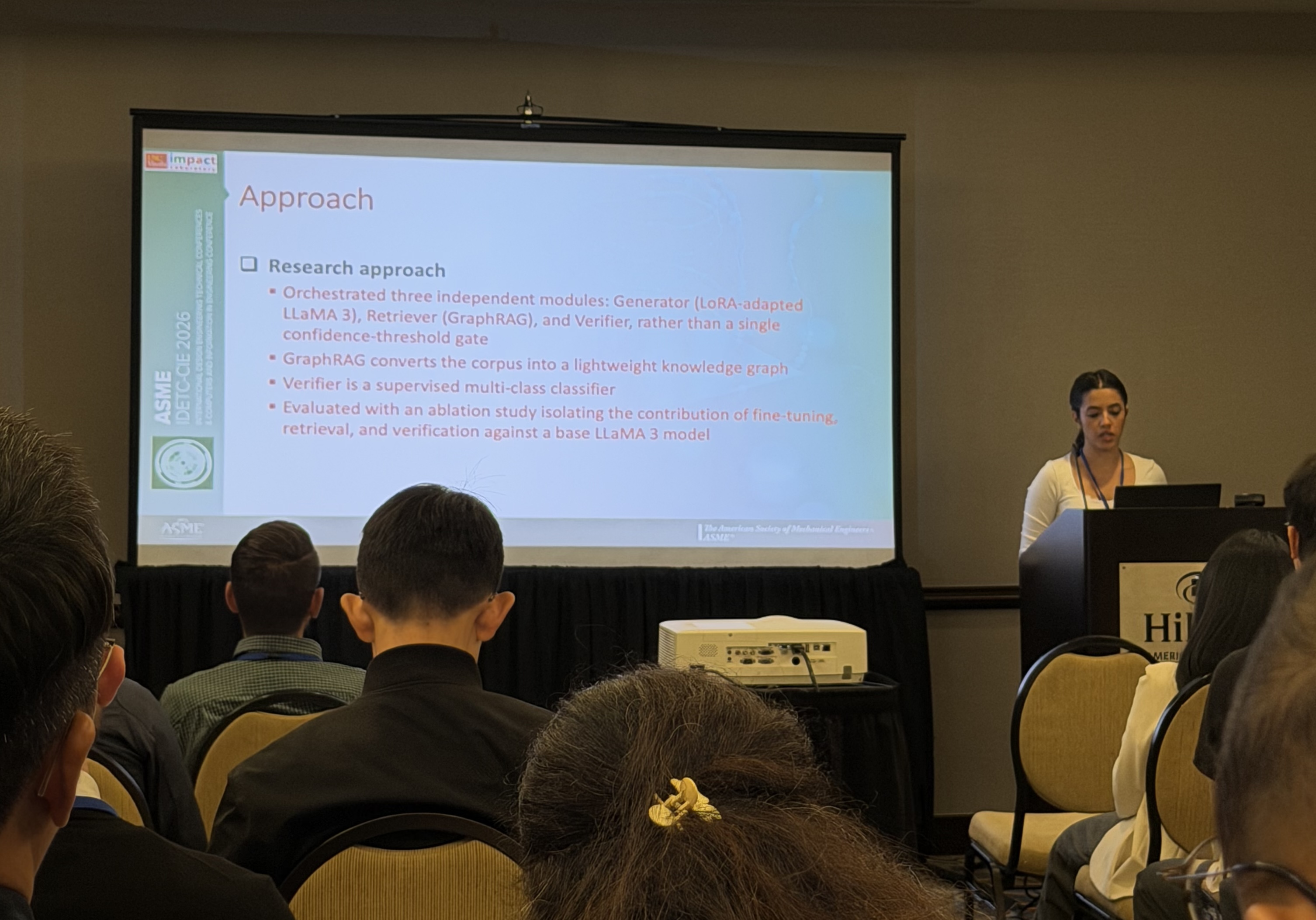
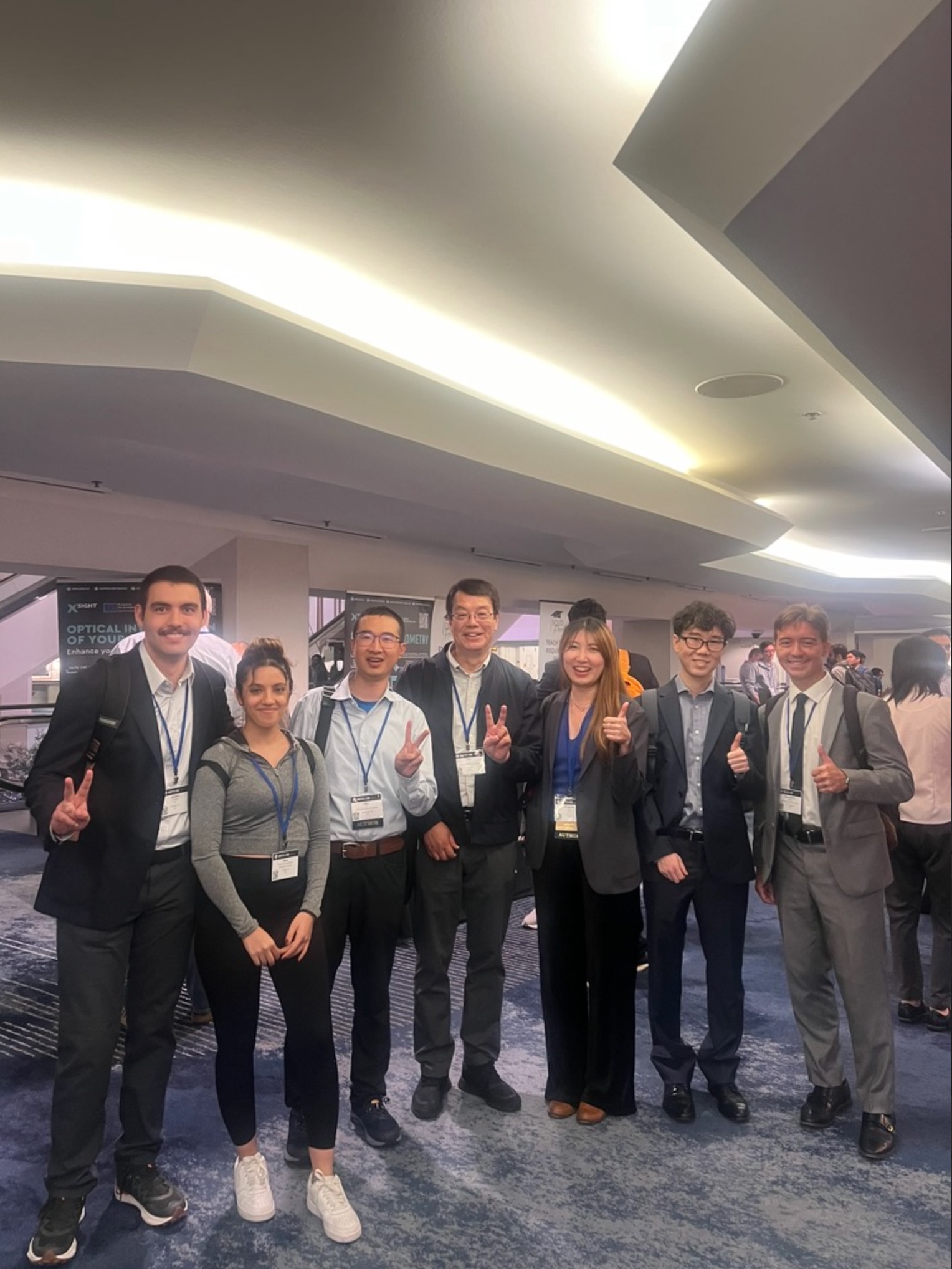
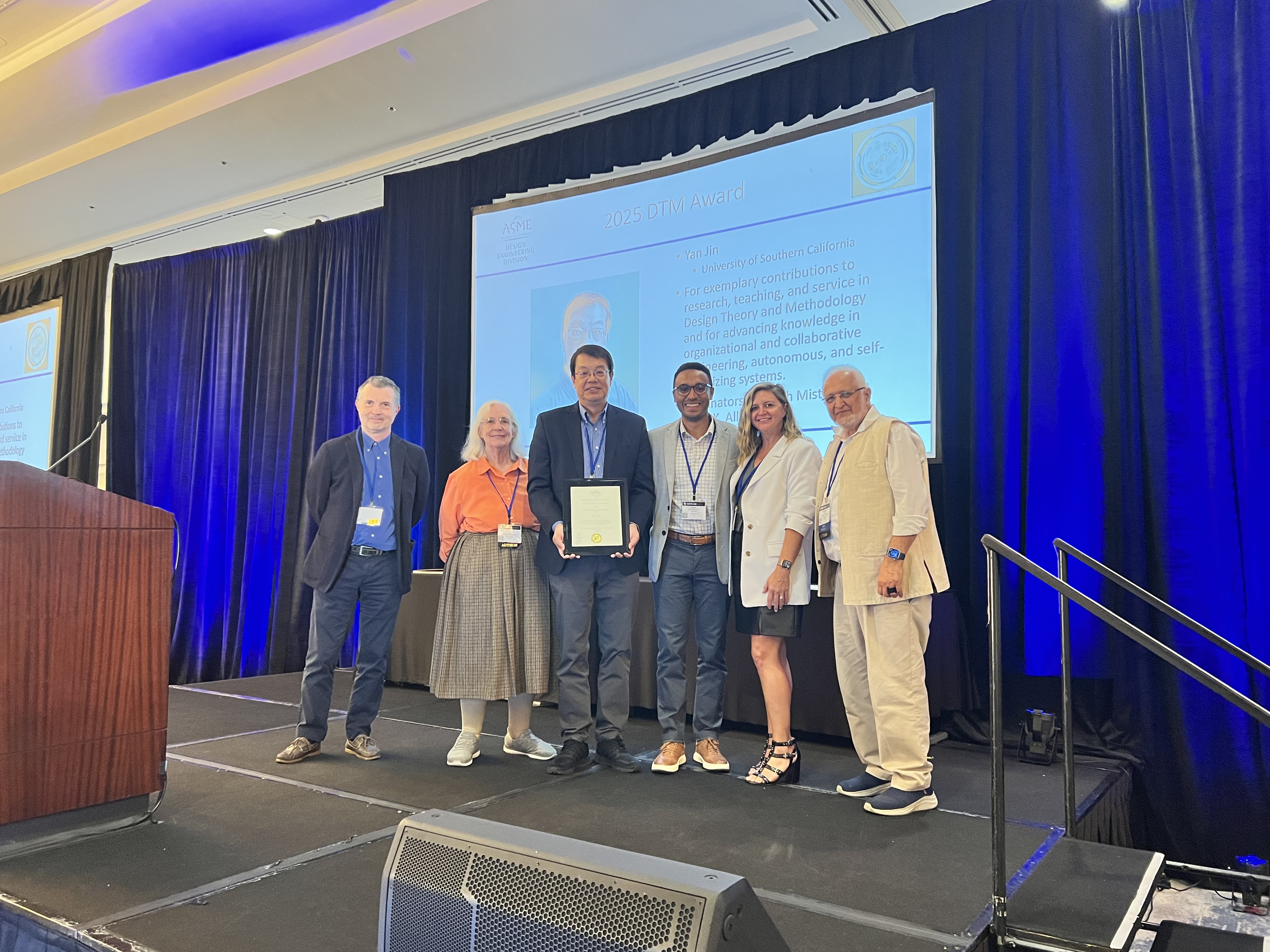
Prof. Yan Jin and Ph.D. students Ardalan Aryashad, Sara Sourani, and Shih-Chun (Morris) Deng attended IDETC/CIE 2026 in Houston, where the students presented three IMPACT LAB papers.
The companion portal for Prof. Yan Jin's Machine Learning for Engineering Applications book is now live with learning resources, chapter guidance, application examples, instructor materials, and community resources.
Research
Over the years, USC IMPACT LAB has established a broad portfolio spanning design methodology, AI-integrated systems, self-organizing systems, VLA robotic models, autonomous systems, and organization modeling, with a focus on AI-integrated engineering, where People + AI are at the core of engineering.
Embedding agentic AI into engineering workflows, digital threads, SysML modeling, lifecycle data backbones, and toolchain integration.
Studying decentralized multiagent systems that learn, adapt, collaborate, and solve complex engineering problems through emergent behavior.
Building vision-language-action robotic systems for autonomous, interpretable, and scalable operation in manufacturing jobshops.
Developing intelligent design support methods that improve creativity, efficiency, knowledge extraction, and design decision-making.
Improving the safety, reliability, and efficiency of autonomous navigation, ship collision avoidance, and risk-aware path planning.
Modeling how teams, organizations, negotiation, and collaboration shape the success of complex engineering projects.
Projects
AI-Integrated Design
An AI-agent-based platform that connects ship design, inspection, optimization, simulation, and robot-ready production data.
Agentic Systems Engineering
An agentic AI assistant for model-based systems engineering in maritime and ocean engineering domains.
Process Intelligence
A model-based process intelligence platform for planning, scheduling, traceability, and change management.
Self-Organizing Manufacturing
Multiagent self-organizing manufacturing methods for personalized production under volatile market conditions.
Robotic Operations
A graph-routed vision-language-action framework for modular, interpretable robotic operations.
Join us
We welcome students, researchers, and collaborators interested in AI-integrated design and manufacturing, autonomous systems, robotic operations, and self-organizing engineering systems.
Contact
Dept. of Aerospace & Mechanical Engineering
Viterbi School of Engineering, USC, VHE-213.
Los Angeles, CA, USA